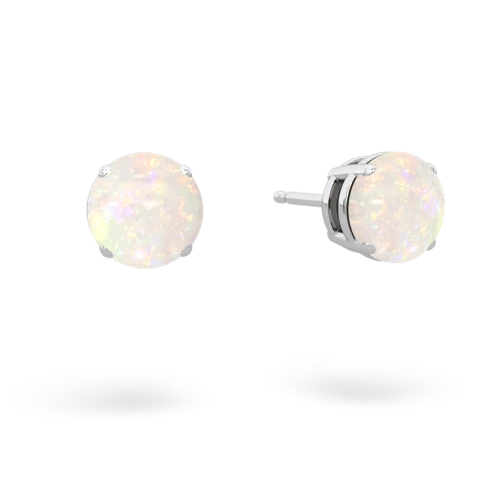
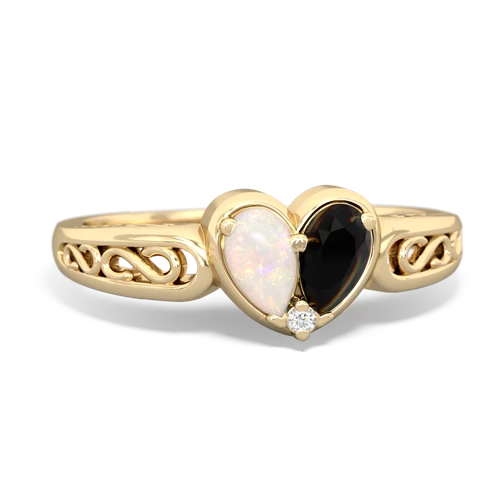
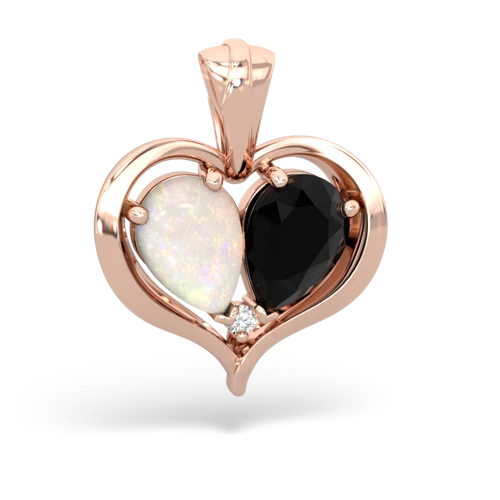
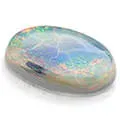
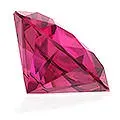
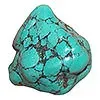
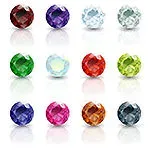
 Opal is the birthstone for the month of October, along with pink tourmaline. It is also the stone given to celebrate the 14th year of marriage. The name opal is thought to be derived from the Sanskrit upala, meaning "precious stone," and later the Greek derivative "Opallios," meaning "to see a change of color".
 You may have heard that the opal brings bad luck and is an evil stone. In fact, this has been a ridiculous belief for a long time all over the world. However, those in the know, are aware that this unfortunate reputation and myth actually is the fault of one man, Sir Walter Scott. Sir Walter Scott's bestselling novel, Anne of Geuerstein, written in 1829, was the story of Lady Hermione, who is falsely accused of being a demoness, and dies shortly after a drop of holy water accidentally falls on her opal and destroys its color. The public took this to mean that this genius author was warning of the bad luck an opal can bring, so they stopped buying the beautiful gemstone. Sir Walter Scott succeeded in destroying the European opal market for almost 50 years with really, no real merit whatsoever. Within months of the novel being published, the opal market crashed and prices were down 50%.
 Thankfully, nearly 50 years later, in 1877, an amazing black opal was found in South Wales, Australia, and the opal market was finally revived. These black opals took the world by storm. The discovery of these opals in Australia led to the decline of European production. Australia is in fact, still the principal source of black and white opal. Many do not realize that the myth of the opal being bad luck is not warranted by any sort of evidence or occurrence, or that the discovery of the black opal destroyed these negative notions over 100 years ago.
 I am sure you have heard somewhere along the line that opals bring bad luck. We now know this to be untrue, but let's take a look at why this superstition came into being. The superstition is due to several factors. Actually, opals have been considered very good luck throughout most of their written history, but in much earlier days, when jewelers did not understand how to handle and work the stones properly, the stones would often dry out and break while being cut, polished or mounted. Naturally, this was considered bad luck.
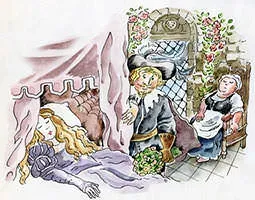 Furthermore, in Sir Walter Scott's novel Anne of Geierstein, the main character, Lady Hermione, wore an enchanted opal in her hair. It gave off fiery red flashes when she was angry, and it sparkled beautifully when she was happy. One time when a few drops of holy water were sprinkled on the gem, it lost its fire and sparkle. At the same time, Lady Hermione became ill and was carried to her room and placed in bed. The next day all that was found of her and the gem was a heap of ashes in her bed. Because of this story, opals gained a wide reputation for bad luck.
 Empress Eugenie, wife of Napoleon III of France, refused to wear the stones, as did many others, some well read and some not so well read. On the other hand, Queen Victoria laughed at the superstition, and as her daughters married, she gave them opals for wedding gifts. The daughters all fared well. In Asia, opal is viewed as a symbol of hope.
 Opals have a very long history and there are many myths pertaining to the stone. In medieval times, all blond maidens wanted a necklace made of opals, as this was considered an absolute guarantee to prevent their hair from fading or darkening. The opal was also thought to make a person invisible whenever he wished, and for that reason, it was called Patronus forum (patron of thieves).
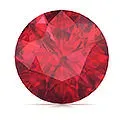
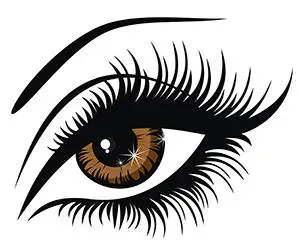 Among the ancients, opal was a symbol of fidelity and assurance, and in later history it became associated with religious emotional prayer. It was believed to have a strong therapeutic value for diseases of the eye, and when worn as an amulet, it would make the wearer immune from disease as well as increase the powers of the eyes and the mind. Furthermore, many believed that to the extent the colors of red and green were seen, the wearer would also enjoy the therapeutic powers of those stones: the power to stop bleeding from the
  ruby or the power to cure diseases from the
  emerald.
 Opal amplifies traits, whether those traits are good or bad, and brings characteristics to the surface for transformation. It enhances self worth, confidence and self-esteem, and helps you to understand your full potential. It also brings lightness and spontaneity. The stone is said to help stimulate originality and dynamic creativity, encourages an interest in the arts, and aids in accessing one's true self. Because the stone is absorbent and reflective, it helps you to pick up thoughts and feelings, amplify them, and return them to their source. It is a karmic stone- it encourages putting out positive emotions and teaches that what you put out comes back to you. The opal is also a representative of justice and harmony, and is a protective stone in dangerous places.
 Opal has always been associated with love and passion, as well as desire and eroticism. It is a seductive stone that intensifies emotional states and releases inhibitions. It can also act as an emotional stabilizer. Wearing an opal is said to bring about loyalty and faithfulness.
 Opals have been said to be extremely beneficial in many physical realms as well, such as in treating infections and fevers. It is also said to help strengthen the memory. Furthermore, it purifying blood and kidneys, regulates insulin, eases childbirth, and alleviates PMS. It is also beneficial to the eyes, especially as an elixir. Overall, the stone is said to be the most useful in preventing bad health. It strengthens the immune system and helps the body be resilient to infection.
 Opal has also been known to help those who are suffering from chemical dependencies. The stone gives the wearer strength and the ability to take back control over their lives.
 Webster's defines opal as "a mineral that is a hydrated amorphous silica softer and less dense than
  quartz and typically with definite and often marked iridescent play of colors." The opal is a stone so distinctive that everyone can identify it, with its many colored flashing lights. The brilliance and vibrant colors within an opal resemble the colors of fall, so it is an appropriate birthstone for the month of October. Opal is unique among gems, as it displays an array of very brilliant miniature rainbow iridescent effects, all mixed together. These colors were very highly prized in Roman jewelry.
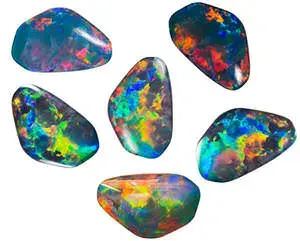 The play of color comes from opal's formation process, which is different than many gems. The color comes from the reflection of the scattering of light from the minute, uniformly sized and closely packed silica spheres that make up precious opal. The arrangement of these spheres, which vary in size and pattern, is responsible for the different colors. The more brilliant the color, or fire, the more valuable the gem. The most familiar opals are nearly opaque white or more translucent white, some having a black or reddish background. All opals vary greatly in their color of fire. Some have only red and orange lights, some also have green, and some also have yellow and blue lights. Black opals may have all of these colors as well as purple. Opals show just about every shade of every color in a variety of combinations. Opals with an abundance of red are usually the most expensive. Those strong in blue and green are equally as beautiful, but less rare, so their price is somewhat less. One of the most rare opals is called the Harlequin opal, which displays color patterns resembling a checkerboard.
 Opal is a delicate and soft stone, rating a 5.5 to 6.5 on the hardness scale. It is usually milky and translucent. Opal is a hardened silica gel containing 5-20% water. Some opals may crack if allowed to dry out too rapidly after being mined. Opals may be somewhat porous, in which case it is dangerous to immerse it in liquids other than water. Opal is amorphous, meaning, it has no crystal structure. The only other major amorphous gemstone is
  amber. Good quality opals are transparent, not milky.
 Imitation opals have been made using Slocum stone, a man-made glass that gives a play of color. Chips of opal and colored plastic are also put into hollowed rock crystal, and an imitation opal from Gilson Laboratories uses silica spheres.
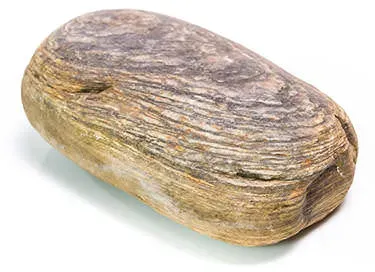 Opal is formed when silica was liquefied and washed down into fissures in the surrounding rock, where it then solidified into a hardened gel. Unlike most other gemstones, opal is therefore not a crystal, but rather an amorphous solid. Opal is found in fossilized shell, wood and bone. Some precious opal forms in gas cavities in volcanic rocks, as in Mexico, and Slovakia, but most Australian deposits occur in sedimentary rocks. It is not found in many ancient archaeological diggings for a good reason, as the stones do not last for thousands of years. They contain 5-20% water, which dries out over the years, causing them to become brittle and lose their hardness. The fire, or color, in opals is made by the cracks in it, thus its beauty is also one of its weaknesses, though the cracks are not visible to the naked eye. If the cracks are visible without a magnifying lens, it is not considered to be a fine opal.
 The most valuable opals come from Queensland and New South Wales in Australia, which have been the main producer of opals since their discovery in the 1870's. Nowadays, opals are mostly found in Australia, Mexico, the USA, South America, Britain, Canada, Brazil, Czech Republic and Slovakia.
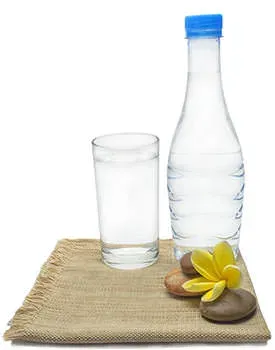 Your opal will last a long time if you take good care of it. You should treat your opal with some care to prevent any scratches or blows. The stones should never be kept in oil or any other chemicals. This may cause them to lose some or all of their fire. Because opals contain some water (as much as 20% water), they should never be stored in a bank or vault for long periods of time because of the dehumidifiers used in many vaults. If opals get too dry, they tend to crack. This phenomenon is called "Crazing,"" and it wipes out the value of the stone. You should avoid leaving your opal near anything potentially drying. To keep your opal from drying, it may be helpful to immerse it in water for several hours from time to time."